info@thehealingsalon.com

Workshops & Programs

The Healing Salon Workshops & Programs

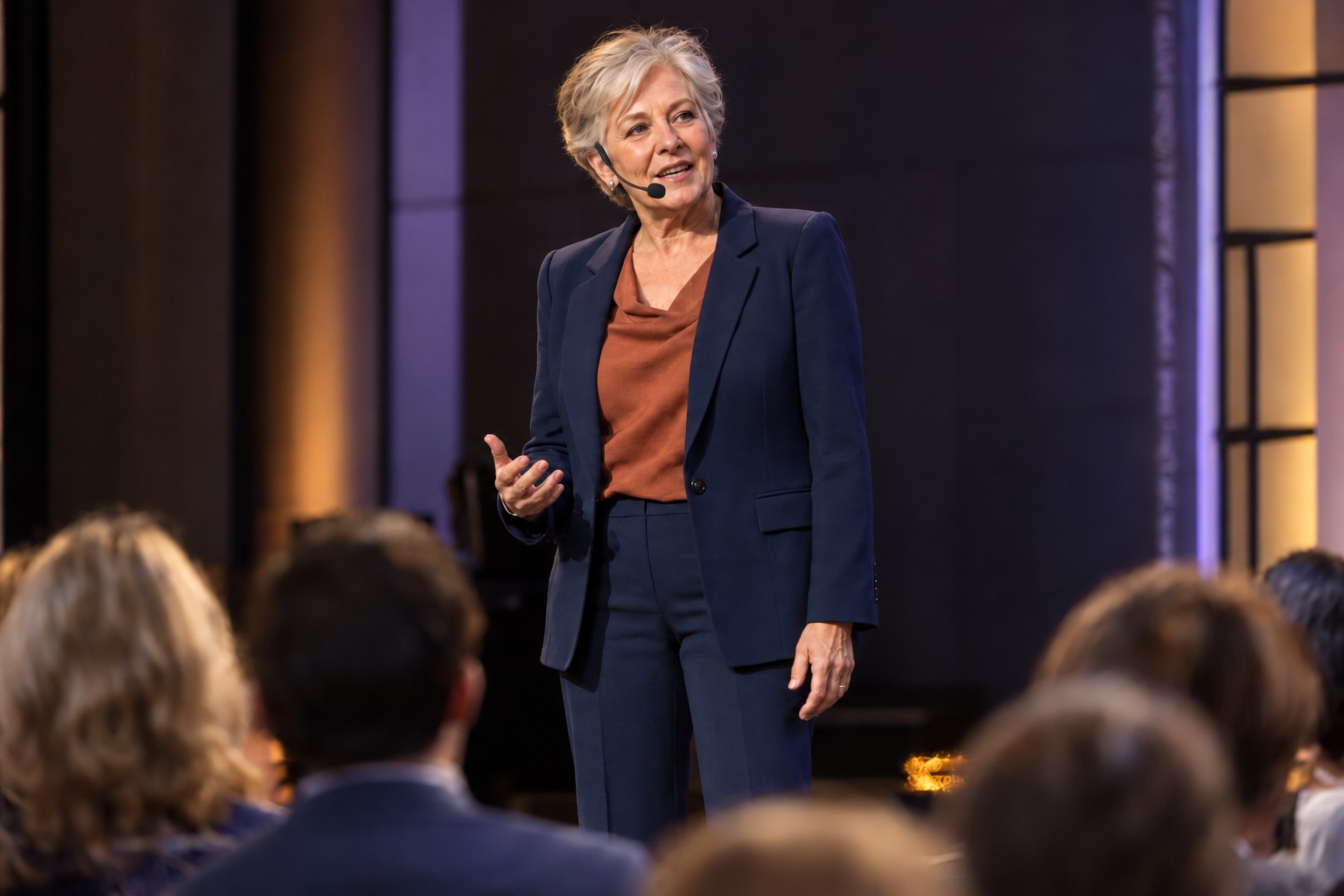
The Healing Salon Workshops and Programs, with participants exploring ideas together in a warm contemporary conference space

Build Awareness. Put It Into Practice.

Develop a deeper connection with your own mind and practical skills you can carry into everyday life.

The Healing Salon’s workshops combine guided experiences, hands-on exercises and time to reflect. Learn to recognize your body’s signals, direct your attention and understand more about your thinking. Explore creative expression, apply awareness to sport or build skills for navigating student life.

Choose from four pathways, each with its own focus and a progression you can build on. Our awareness and student programs develop toward self-confidence grounded in practiced skills. Art & Metacognition opens space for expression and different perspectives. Athlete training connects meditation and deliberate attention with preparation, performance and the wider experience of sport.

Many modules can be booked independently. Complete pathways offer time to connect the skills and develop them through continued practice.

Available for groups and private individual sessions, with activities adapted to participants’ needs. Parents and guardians are welcome to arrange sessions for their child.

Choose Your Workshop Pathway

PATHWAY 01

Metacognitive Awareness Training

Notice. Pause. Examine. Choose.

Metacognitive Awareness Training. Notice. Pause. Examine. Choose. A man pauses thoughtfully in a lively café.

Build a more deliberate relationship with your own mind. This five-module pathway connects body awareness, attention and an understanding of your thinking, then brings those skills into daily situations. Self-confidence is the destination: confidence grounded in a practiced connection with your own capabilities.

5 modules · 4 weekly sessions per module · 75 minutes per session

A complete pathway includes 20 sessions and a personal workbook. Activities can be tailored to workplaces, students, athletes and older adults. Modules 1–3 can be booked independently. Module 4 is recommended as part of the full curriculum; relevant prior experience can be discussed. Module 5 requires completion of Modules 1–4.

Explore all pathways ↑

MODULE 01

The Body-Awareness Pause

Body Awareness & Metacognition for More Deliberate Responses

A man with his eyes gently closed during a quiet body-awareness pause

Your shoulders tighten in a meeting. An email sparks frustration. Your heart races before a moment that matters. Learn to notice the signals your body is already giving you and use them as an invitation to pause, examine your thinking and consider your response.

Explore the sessions & what you’ll take away: The Body-Awareness Pause

SESSION 01

Recognize Your Signals

Bring attention to physical sensations and notice how they change in everyday situations.

SESSION 02

Examine the Story

Explore the thoughts connected with a reaction and distinguish observation from assumption.

SESSION 03

Practice Choosing Your Response

Use the pause to consider your goals and the options available to you.

SESSION 04

Make the Practice Your Own

Develop a body-awareness check-in you can return to throughout the day.

What You’ll Take With You

Recognize personal signals, identify the story attached to a reaction and create room for a more deliberate choice. Sensations are useful information to explore, rather than fixed instructions about what to do.


More Details: The Body-Awareness Pause

A Closer Look at the Workshop

Your body can register a change before you have put it into words. A tightened jaw, restless hands or a change in breathing may give you a direct point of connection with your experience. This workshop begins by helping you notice those signals, rather than moving through the day without recognizing them.

Through guided body-awareness practices and everyday scenarios, you explore the connection between physical sensations, thoughts and emotions. An uncomfortable email or a demanding conversation becomes an opportunity to ask: what is happening in my body? What am I telling myself? What do I actually know? The pause creates space to examine your experience before deciding how to respond.

Body awareness also makes room for intuition. A physical reaction may be worth attending to even when its meaning is not yet clear. You are encouraged to investigate it without dismissing it or assuming that one sensation always means the same thing. Metacognition adds the ability to step back and consider the thought or interpretation connected with that reaction.

Across four sessions, a personal workbook supports observations and continued practice. Workplace examples can include feedback and difficult conversations; athletes may explore pre-competition nerves. Students can work with school and social pressures, while older adults can explore situations relevant to their own routines. The practical aim is a pause you recognize and can use beyond the workshop.

MODULE 02

Direct Your Attention

Focus, Flexibility & Everyday Choice

Direct Your Attention: a visual illustration of the workshop’s everyday applications

You open your phone for one thing and find yourself doing something else. You read a page without taking it in. You’re listening to a colleague, but your mind is already rehearsing your reply. This module helps you recognize where your attention goes, keep your focus where it’s needed and shift it deliberately when the moment calls for it.

Explore the sessions & what you’ll take away: Direct Your Attention

SESSION 01

Discover Your Attention Habits

Observe the internal and external pulls that influence your focus.

SESSION 02

Choose a Focus. Practice Returning.

Practice bringing attention back without turning distraction into a personal failure.

SESSION 03

Shift and Widen Your Awareness

Explore the difference between a narrow focus and taking in a broader picture.

SESSION 04

Put Attention to Work

Apply these choices to listening, tasks and creative or analytical work.

What You’ll Take With You

A practical approach to noticing distraction, returning to a chosen focus and adjusting attention to what the situation needs.

More Details: Direct Your Attention

A Closer Look at the Workshop

Attention moves constantly between what is happening around you and what is happening within you. Sometimes that movement is useful. At other times, you find yourself following a thought or distraction long after it stopped serving the task in front of you. This workshop gives you time to observe those habits and practice making more deliberate choices.

Guided observation and attention exercises explore three related skills: sustaining a chosen focus, returning when attention wanders and shifting or widening awareness when a situation calls for it. Metacognition helps you recognize what your mind is doing so you can ask whether that is where your attention needs to be.

The aim is to develop flexibility, while continuing to register thoughts, sensations and intuitive impressions. You might stay with a colleague’s words without immediately following the reply forming in your mind, or move between a specific detail and the wider context of a project. Participants develop a practical approach to a situation that matters to them and continue exploring it through their workbook.

MODULE 03

Metacognitive Awareness

Know What You Know. Recognize What You’re Still Exploring.

Metacognitive Awareness: a visual illustration of the workshop’s everyday applications

A strong impression can feel like a fact. Metacognition gives you space to examine the difference. Explore what you know, what you think you know and what remains unknown, so you can give each the attention and weight it deserves.

Explore the sessions & what you’ll take away: Metacognitive Awareness

SESSION 01

Recognize What You Know

Separate available information from the meaning you have added to it.

SESSION 02

Understand the Basis of Your Certainty

Examine why an interpretation feels convincing.

SESSION 03

Make Room for What Remains Unknown

Consider missing information without needing to settle every uncertainty.

SESSION 04

Bring Awareness Into Your Choices

Practice making decisions from a clearer understanding of your position.

What You’ll Take With You

Recognize the basis of your thinking while staying open to further information. The workshop supports your judgment without prescribing a response or dismissing intuition and body awareness.

More Details: Metacognitive Awareness

A Closer Look at the Workshop

A brief interaction can become a whole story in your mind. A mistake may feel like evidence that you are incapable; someone’s tone may seem to establish what they think of you. Those are interpretations you can examine, even when the feelings they bring up are strong.

This workshop develops the separation that allows you to consider your own thinking. What do you know? What do you think you know, and why? What are you still trying to assess? How do these thoughts make you feel? Through guided reflection and practical scenarios, you explore the basis of your certainty and the information still missing.

You are encouraged to keep considering intuition and body signals while giving reliable knowledge, impressions and unknowns appropriate weight. The workshop does not tell you which action to take. It gives you practice considering the paths before you from a more solid understanding of your position, with room for your mind to keep examining what remains unresolved.

MODULE 04

Awareness in Action

Bring Your Skills Into the Moments That Matter

Awareness in Action: a visual illustration of the workshop’s everyday applications

Put your training into practice. Use body awareness, attention and metacognition in realistic situations where pressure, conversation or an unexpected change can pull you into a familiar reaction.

Recommended after Modules 1–3 for maximum benefit. Independent booking is available by consultation for participants with relevant prior training.

Explore the sessions & what you’ll take away: Awareness in Action

SESSION 01

Recognize Yourself Under Pressure

Notice how pressure affects your body, attention and interpretation.

SESSION 02

Speak and Listen With Awareness

Practice staying connected with yourself during an exchange.

SESSION 03

Adapt When the Moment Changes

Explore how new information can change the choices before you.

SESSION 04

Bring the Skills Together

Develop a practical approach to a situation relevant to your life.

What You’ll Take With You

Experience using the skills together, with time to reflect and try again. Activities are adapted for groups or private sessions.

More Details: Awareness in Action

A Closer Look at the Workshop

Understanding an awareness skill and using it in a demanding moment are different experiences. This module gives you opportunities to connect the skills in practical situations, with time to notice what happened and try again.

Activities explore pressure, conversation and changing information. You practice recognizing physical signals, checking where your attention has gone and considering the assumptions influencing your response. In a workplace setting, this might involve speaking in a meeting, listening during disagreement or adapting when the direction of a task changes. Examples are tailored to the participant’s context.

The facilitator supports reflection rather than prescribing what you should say or do. Private participants can work directly with the facilitator and supplied scenarios. For the fullest experience, we recommend first developing body awareness, attention direction and an understanding of what you know through Modules 1–3. Relevant prior training can be discussed for independent bookings.

MODULE 05

Self-Confidence Through Metacognition

Build Confidence in Your Connection With Your Own Mind

Self-Confidence Through Metacognition: a visual illustration of the workshop’s everyday applications

Confidence can grow from knowing how to stay connected with yourself. Recognize the capabilities you have practiced throughout the pathway and explore how to draw on them when you speak, make a decision or meet an unfamiliar challenge.

Available only after completing Modules 1–4.

Explore the sessions & what you’ll take away: Self-Confidence Through Metacognition

SESSION 01

Recognize the Basis of Your Confidence

Identify evidence of your developing awareness and capabilities.

SESSION 02

Let Yourself Be Seen and Heard

Apply those skills in an activity relevant to your goals.

SESSION 03

Maintain Your Connection When Things Change

Practice staying grounded when a situation does not go as expected.

SESSION 04

Carry Your Confidence Forward

Build a personal reference for continued practice.

What You’ll Take With You

Confidence grounded in practiced skills and a relationship with your own mind, rather than appearance, status or external approval. Nerves and uncertainty can still be present.

More Details: Self-Confidence Through Metacognition

A Closer Look at the Workshop

This final module asks you to recognize why your training gives confidence something to stand on. You have practiced noticing physical signals, directing attention and examining your thinking. Those capabilities give you ways to stay connected with yourself when you face a challenge.

Participants identify evidence from their own practice and apply it in situations relevant to their lives. Speaking, pitching an idea or approaching an unfamiliar task can become opportunities to recognize preparation and use the skills already developed. Further exercises explore maintaining that connection when circumstances change or feedback unsettles you.

This confidence comes from a developing relationship with your own mind and actions. It can coexist with nerves or uncertainty, and it does not depend entirely on recognition or a successful outcome. Completion of Modules 1–4 is required because the experience builds directly on the capabilities practiced throughout the pathway.

PATHWAY 02

Inside / Outside

Art & Metacognition

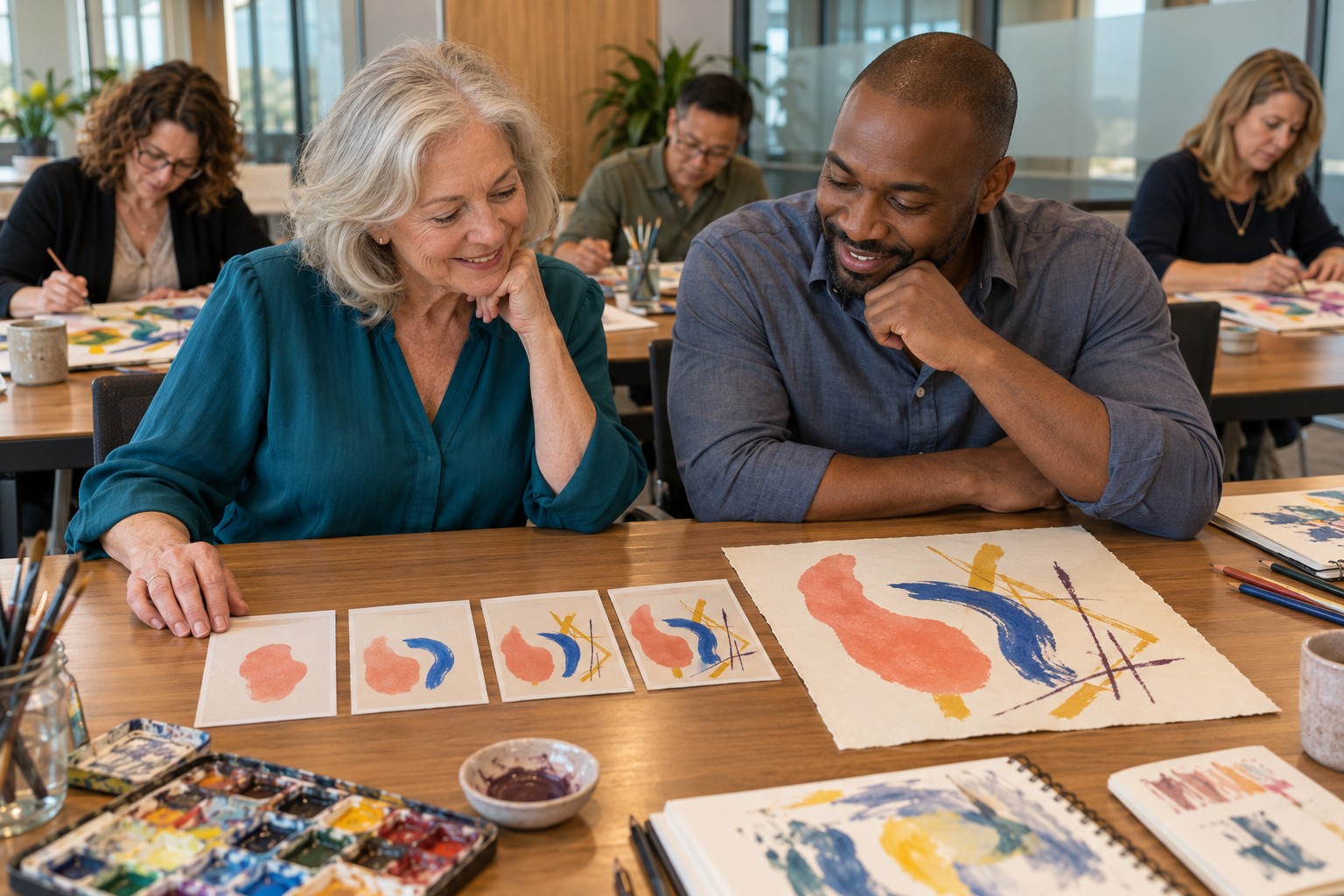
Inside / Outside: Art & Metacognition. Participants explore abstract painting in a warmly lit workshop.

Make room for imagination, expression and different perspectives. This pathway uses abstract art-making to explore the relationship between your inner experience and what you create. Making comes first, with reflection used to discover what you can carry into your next creative challenge.

3 modules · 2 sessions per module · 2 hours 15 minutes per session

Every session begins with 15 minutes of meditation, followed by a full two-hour creative lab. A personal art kit and mixed media sketchbook are included at your first module and are yours to keep. Bring them back as you continue the pathway. No realistic drawing skills are required. Modules can be taken independently or together; private sessions use supplied contributions and facilitator-supported activities where a group exchange would otherwise be involved.

Explore all pathways ↑

MODULE 01

Notice & Create

One Starting Point. More Possibilities.

Notice & Create: a visual illustration of the workshop’s everyday applications

Explore different ways to express the same subject through color, abstract shapes and marks. Then discover what can open up when your expression meets someone else’s contribution. The emphasis is on possibilities, curiosity and the experience of creating.

This module opens the pathway by exploring possibilities. The Metacognitive Creative Process carries that exploration into a creative brief.

Explore the sessions & what you’ll take away: Notice & Create

SESSION 01

One Subject, Different Expressions

Create several abstract responses to a shared starting point and explore how changes in attention influence what you make.

SESSION 02

Where Your Idea Meets Someone Else’s

Explore shared contributions and the possibilities that emerge through an anonymous creative exchange.

What You’ll Take With You

For teams, an opportunity to explore different perspectives and trust contributions. For students, a fresh approach to developing ideas. For athletes, a creative experience of collaboration. For older adults and community groups, an enjoyable day of art, connection and non-verbal expression.

More Details: Notice & Create

A Closer Look at the Workshop

One subject can offer many starting points. You might respond to its color, a detail that catches your attention or an association it brings up. Through abstract art-making, participants explore several expressions of the same subject without needing to produce a realistic likeness.

The second session opens that exploration to contributions beyond your own. An anonymous creative exchange invites you to respond to what is already present and discover possibilities through shared making. Time for reflection helps participants consider how different approaches can contribute to a developing whole.

For a manager or creative team, this offers a practical experience of developing alternatives and considering contributions without needing to control every part of the result. For athletes, it creates a different setting in which to explore trust and teamwork. Students can bring the experience to projects, while community and senior groups can enjoy a shared creative day and discover non-verbal ways of expressing themselves. Private sessions use supplied contributions and facilitator participation to support the same learning goals.

MODULE 02

The Metacognitive Creative Process

Explore Freely. Work With Constraints. Bring the Possibilities Together.

The Metacognitive Creative Process: a visual illustration of the workshop’s everyday applications

Begin with uninhibited abstract art-making, introduce a defined brief and revisit the possibilities with both experiences available to you. Explore a creative process that makes room for your own expression while responding to the requirements of a project.

Notice & Create introduces multiple responses to one starting point. This module develops that exploration into a repeatable process. Each can also be booked independently.

Explore the sessions & what you’ll take away: The Metacognitive Creative Process

SESSION 01

One Idea, Three Creative Responses

After meditation, begin freely. A defined client or assignment brief then provides the parameters of your next creative exploration, such as a palette or intended feeling. A further piece brings the possibilities together. Reflection comes after the making.

SESSION 02

Make the Process Your Own

Revisit the process with fresh material. Compare the two sessions: what patterns did you recognize, what did you carry forward and what would you be curious to test next?

What You’ll Take With You

Creative professionals and managers can practice keeping imagination open while meeting a client brief. Students can explore how to retain authenticity while meeting an assignment brief. Color, abstract shapes, texture and composition provide the means of expression.

More Details: The Metacognitive Creative Process

A Closer Look at the Workshop

The creative lab begins immediately after meditation, with space to make abstract work without stopping to analyze every choice. This first experience gives imagination room to move before project requirements enter the process.

The next exploration introduces a defined client or assignment brief. The brief provides parameters such as a color palette or qualities the work should communicate. A further exploration invites participants to revisit the possibilities with both free expression and external requirements available to them. Making continues without scheduled metacognitive interruptions; reflection follows the completed creative work.

The second session returns to the process with fresh material. Looking across both sessions, participants consider differences in their experience, patterns they recognize and what they learned in the first session that they brought into the second. They also identify what they would be curious to test in a future project.

Creative managers and professionals can explore a process for keeping imagination open while meeting a client brief. Students can practice retaining authenticity while meeting an assignment brief. The emphasis remains on abstract art-making, using color, abstract shapes, texture and composition. Notice & Create introduces the value of multiple expressions; this module develops a process participants can return to.

MODULE 03

Beyond the Self

Expanding Creative Awareness Through Metacognition

Beyond the Self: a visual illustration of the workshop’s everyday applications

People can experience the same moment and take away very different impressions. Through shared visual inspiration, abstract art and encounters with other perspectives, explore how awareness can expand beyond your own first response without losing your voice.

Explore the sessions & what you’ll take away: Beyond the Self

SESSION 01

Experience & Express

Respond creatively to shared inspiration, with space for your own intuitive expression.

SESSION 02

Expand Your Perspective

Explore further creative possibilities through encounters with perspectives beyond your own, followed by reflection.

What You’ll Take With You

An opportunity for students to explore perspectives that may otherwise go unspoken, for creative teams to consider how others experience a subject and for community groups to enjoy expression and connection. Sharing personal reflections is optional.

More Details: Beyond the Self

A Closer Look at the Workshop

Your experience of a subject is shaped by what you notice, what you feel and the associations you bring to it. Someone else may encounter the same material and come away with a different impression. This module invites you to explore that space through creative expression.

Following meditation, shared visual inspiration provides a starting point for abstract art-making. Further creative experiences bring perspectives beyond your own into the process, with reflection afterward. The workshop invites curiosity about how another person’s experience can broaden your awareness while leaving room for your own expression.

For students, this offers a way to encounter perspectives that may not otherwise be shared. Creative teams can explore the difference between their own reading of a subject and how others experience it. Community groups can enjoy discovering one another through art. The full sequence is experienced within the workshop; personal reflections can remain private, and individual sessions use supplied perspectives rather than requiring peers.

PATHWAY 03

Direct Your Focus

Metacognitive Awareness Training for Athletes & Teams

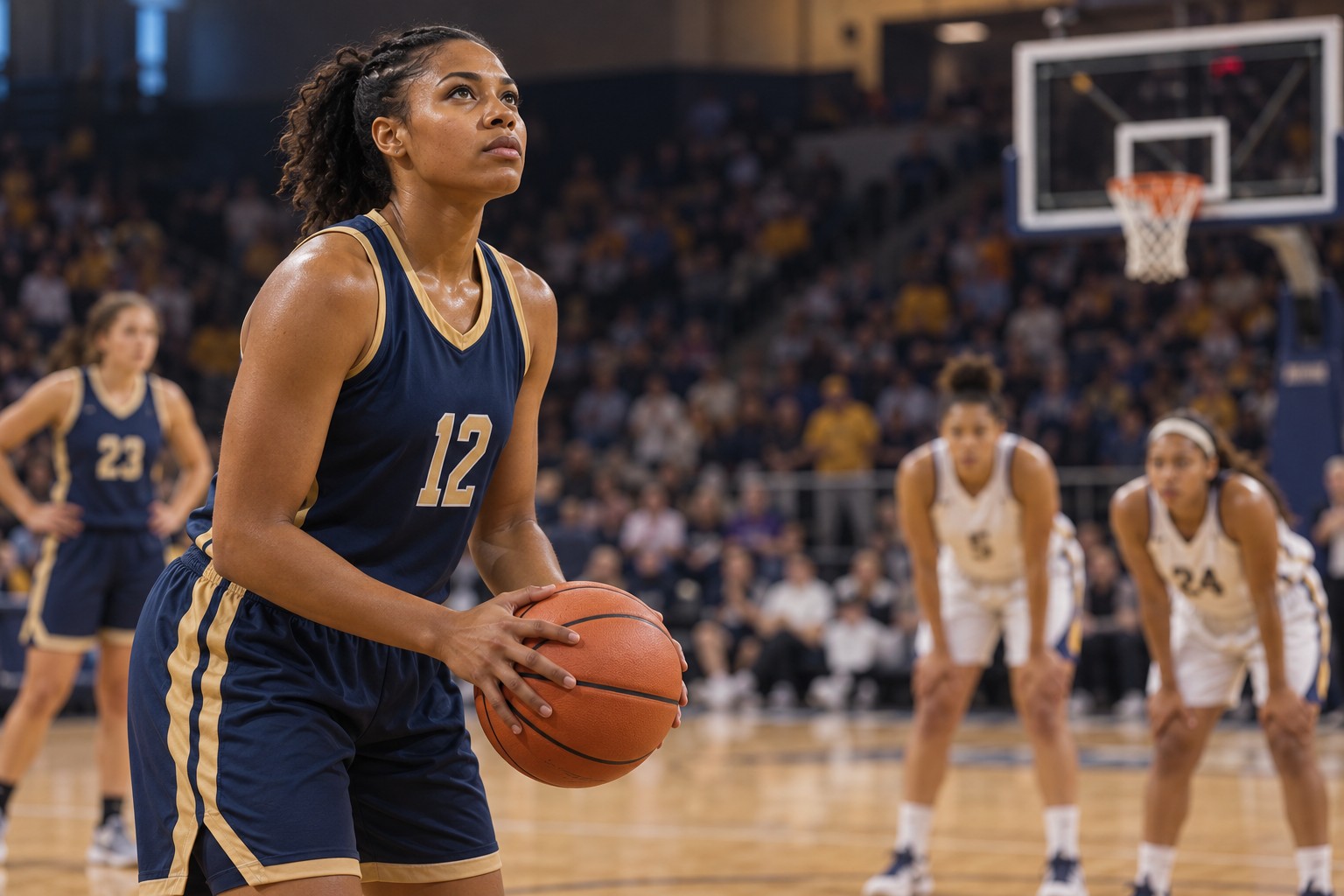
Direct Your Focus: Athletes & Teams. A female archer directs her attention downrange at full draw.

Connect with your inner state and practice directing attention toward what matters in your sport. This pathway builds from body awareness to deliberate focus, working with pressure and confidence grounded in preparation. Meditation is a central part of the training.

4 modules · 2 workshops + 1 dedicated meditation per module

Each workshop lasts 105 minutes, including a 15-minute opening meditation or focusing exercise. A dedicated 60-minute Healing Salon Signature Meditation sits between the two workshops. Across the pathway, guidance becomes more sparse so athletes can develop their own practice. The full pathway includes 12 meetings and 18 hours, scheduled around training and competition. Teams, small groups and individual athletes can book; parents or guardians can arrange sessions for younger athletes.

Explore all pathways ↑

MODULE 01

Recognize Your Competitive Attention

Body Awareness: Your Starting Point for Focus

Recognize Your Competitive Attention: a visual illustration of the workshop’s everyday applications

Begin by noticing the physical signals that accompany preparation and competition. Connect attention with your body, recognize when your inner state changes and plant the pause that helps you consider where your focus needs to go.

Explore the sessions & what you’ll take away: Recognize Your Competitive Attention

SESSION 01

Discover Where Your Attention Goes

Explore how body sensations, thoughts and the environment draw attention during sport.

SESSION 02

Recognize Your Signals

Practice noticing your own physical cues and using them as an opportunity to pause.

BETWEEN THE WORKSHOPS

60-Minute Signature Meditation

A dedicated meditation connects the two workshops, with guidance becoming more spacious as you advance through the pathway.

What You’ll Take With You

A clearer connection with your body as the foundation for directing attention. The next module develops how to choose and return to a useful focus.

More Details: Recognize Your Competitive Attention

A Closer Look at the Workshop

Before an athlete can choose where to direct attention, it helps to recognize what is already happening. This module begins with body awareness: the sensations that accompany preparation, anticipation and the moments before performance.

Opening meditation and guided exercises help you direct attention toward your body and notice changes without needing to immediately explain or correct them. A racing heart, tight shoulders or restless movement can become an opportunity to pause and check in. The metacognitive starting point is recognizing your experience before automatically following it.

A dedicated 60-minute Signature Meditation between the workshops gives you longer to develop that connection. The focus here is noticing your state and attention; Module 2 develops the next skill of selecting a useful focus and practicing your return. Examples are shaped around the athlete’s sport and experience, for individual or team bookings.

MODULE 02

Choose Your Focus

Direct Your Attention. Practice Your Return.

Choose Your Focus: a visual illustration of the workshop’s everyday applications

Practice choosing what deserves your attention and bringing it back when it drifts. Explore how to adjust between a specific cue and a wider view of the situation, without getting lost in overanalysis.

Explore the sessions & what you’ll take away: Choose Your Focus

SESSION 01

Select Your Focus

Identify a useful attention cue: a breath, a short phrase or an appropriate technical cue agreed with your coach.

SESSION 02

Adjust Your Focus

Practice returning, shifting or widening attention as the situation changes.

BETWEEN THE WORKSHOPS

60-Minute Signature Meditation

A dedicated meditation connects the two workshops, with guidance becoming more spacious as you advance through the pathway.

What You’ll Take With You

An attention cue you can use in preparation or competition, and practice returning to the next relevant action. This is awareness training, rather than physical or technical coaching.

More Details: Choose Your Focus

A Closer Look at the Workshop

Once you can recognize where attention has gone, you can practice choosing where it needs to be. This module explores useful points of focus and the ability to return to them during preparation or performance.

An attention cue might be a breath, a brief phrase or an appropriate technical cue developed with your coach. The point is to have something relevant to return to, rather than trying to monitor every thought and movement at once. Exercises also explore when a narrow focus is helpful and when a broader awareness of the situation is needed.

Thoughts, physical sensations and intuition can continue to register. You practice deciding which information needs attention now and adjusting as circumstances change. The dedicated Signature Meditation creates further space to practice attention with increasingly spacious guidance as you move through the pathway.

MODULE 03

Work With Pressure

Recognize the Reaction. Return to the Next Action.

Work With Pressure: a visual illustration of the workshop’s everyday applications

A mistake, a loud crowd or an important result can compete for your attention when your next action needs your focus. Learn to register your thoughts, body signals and intuitive impressions while choosing what needs your attention now. You don’t have to push those experiences away. The skill is recognizing what you know, what you’re interpreting and what remains uncertain, then keeping your focus where it’s needed, when it’s needed.

Explore the sessions & what you’ll take away: Work With Pressure

SESSION 01

Recognize What You Know

Examine the difference between an event, an interpretation and what remains uncertain.

SESSION 02

Practice Your Return Under Pressure

Use awareness to consider what needs attention now and what can be reviewed later.

BETWEEN THE WORKSHOPS

60-Minute Signature Meditation

A dedicated meditation connects the two workshops, with guidance becoming more spacious as you advance through the pathway.

What You’ll Take With You

Practice working with nerves and interpretations without needing every uncomfortable feeling to disappear. Your response remains your choice.

More Details: Work With Pressure

A Closer Look at the Workshop

Pressure can bring useful information alongside predictions, memories and worries. You may hear the crowd, notice tension or have an immediate impression about the situation. Awareness training helps you register those experiences while choosing how much of your attention each needs.

A missed action tells you something happened. The thought that you have let everyone down adds an interpretation. In this module, athletes practice noticing the difference between available information, the story attached to it and what remains uncertain. Intuition and body signals stay part of the picture; the training gives you space to consider them rather than dismiss them.

The practical focus is keeping attention where it is needed, when it is needed. You explore what matters for the next action and what can be evaluated afterward. Nerves or other thoughts do not need to disappear for you to stay engaged. Workshops and the dedicated meditation give you opportunities to practice that choice and develop a personal approach to pressure.

MODULE 04

Build Confidence You Can Draw On

Know Your Preparation. Trust Your Developing Skills.

Build Confidence You Can Draw On: a visual illustration of the workshop’s everyday applications

Bring the pathway together and recognize the preparation and capabilities you can draw on. Build confidence from your connection with your own awareness and actions, while allowing room for nerves, changing conditions and continued learning.

Requires completion of Athlete Modules 1–3.

Explore the sessions & what you’ll take away: Build Confidence You Can Draw On

SESSION 01

Recognize Your Evidence

Identify the preparation and skills that give your confidence a practical foundation.

SESSION 02

Bring the Skills Into Performance

Practice bringing body awareness, attention and metacognition into a relevant performance situation.

BETWEEN THE WORKSHOPS

60-Minute Signature Meditation

A dedicated meditation connects the two workshops, with guidance becoming more spacious as you advance through the pathway.

What You’ll Take With You

A personal reference for preparation, focus and continued practice. Recognition and results can matter without becoming the sole measure of your capabilities.

More Details: Build Confidence You Can Draw On

A Closer Look at the Workshop

Confidence can draw on evidence you already have: your preparation, the skills you have developed and your experience using awareness under pressure. The final module helps you recognize that foundation and practice drawing on it.

Activities bring body awareness, deliberate attention and an understanding of your thinking into performance situations relevant to your sport. You explore how to prepare, stay connected when conditions change and review an experience without turning one result into a judgment of your overall capability.

The dedicated Signature Meditation continues with more spacious guidance, supporting the personal practice developed throughout the pathway. Participants leave with a reference they can bring into training and competition. Completion of Modules 1–3 is required so that this work rests on skills already practiced.

PATHWAY 04

Building Toward Metacognition & Expanded Awareness

For High School & Early College Students

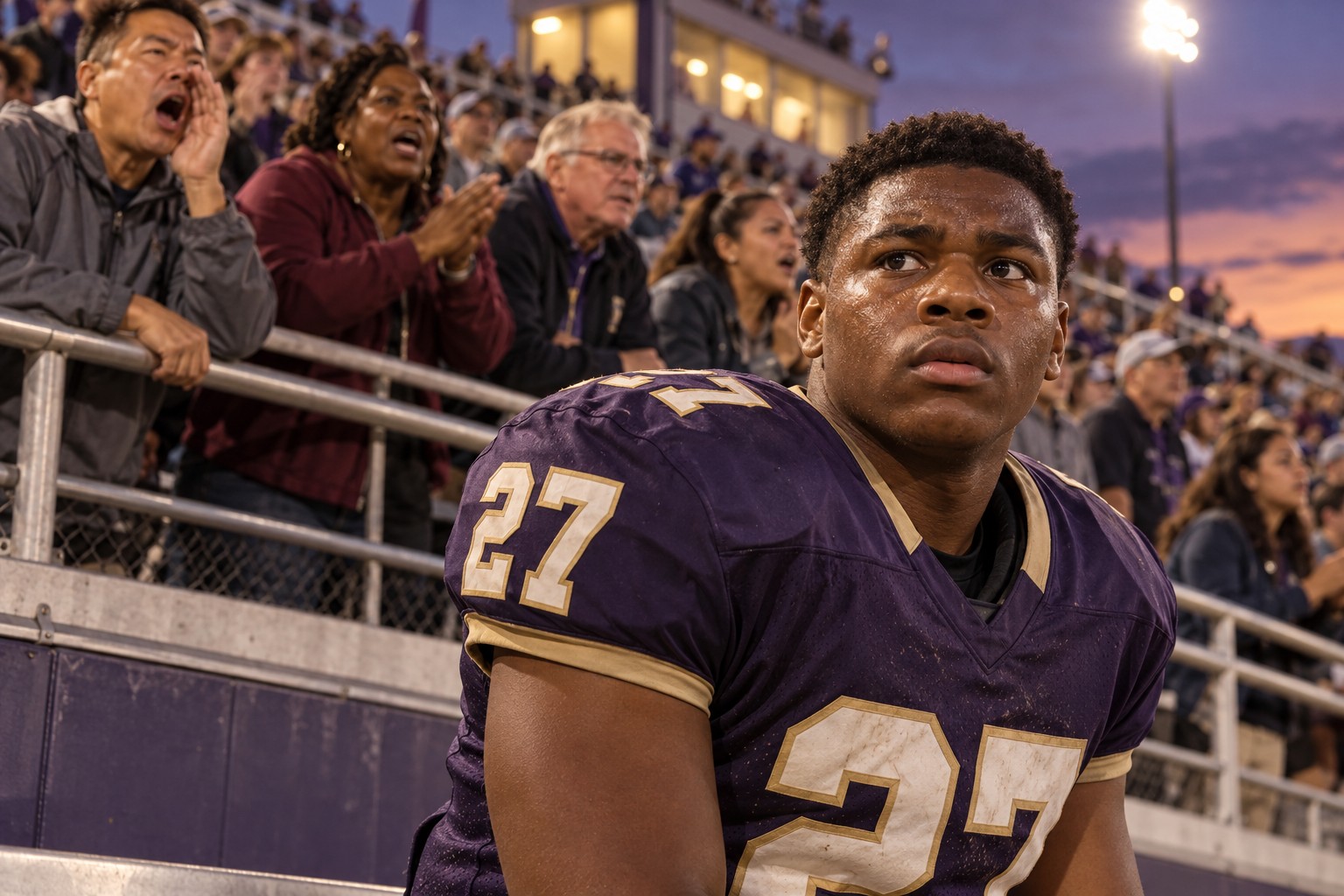
Building Toward Metacognition & Expanded Awareness. For High School & Early College Students. A student pauses on a busy campus.

Get to know your own mind and the signals your body is already giving you. Learn to pause, direct your attention and examine what you know before deciding how to respond. This pathway develops toward confidence grounded in the skills you have practiced.

5 modules · 4 sessions per module · 45–60 minutes per session

Each session begins with a 10-minute quiet meditation. Activities are adapted to the student and can be completed privately; sharing is optional. There are no rankings or comparisons with classmates. Available for schools, student groups and private individual bookings. Parents and guardians can arrange sessions for their child. The final module requires completion of Modules 1–4.

Explore all pathways ↑

MODULE 01

Body Awareness

Learn to Notice the Signals Your Body Is Already Giving You

Body Awareness: a visual illustration of the workshop’s everyday applications

Metacognition means noticing and thinking about your own thinking. We begin with your body. Learn to direct attention toward physical sensations, notice what changes and create a pause to ask: what is happening right now?

Explore the sessions & what you’ll take away: Body Awareness

SESSION 01

Bring Your Attention Into Your Body

Explore points of contact, breathing and where you can direct your attention.

SESSION 02

Notice What Changes

Compare sensations before and after gentle movement or a simple activity.

SESSION 03

Catch Signals You Might Have Missed

Pause during an ordinary reading or writing task and notice what is happening in your body.

SESSION 04

Create Your Own Body Check-In

Develop a short routine you can return to during the day.

What You’ll Take With You

Practice recognizing physical signals without needing to assign them a fixed meaning. This pause is a starting point for becoming more aware of your mind.

More Details: Body Awareness

A Closer Look at the Workshop

Your body is already giving you information throughout the day. You might notice a tight jaw, butterflies in your stomach or a change in breathing. This module gives you time to get familiar with those signals and practice turning your attention toward them.

Each session begins with a 10-minute quiet meditation. Guided exercises explore points of contact, attention moving through the body and changes before and after a simple activity. The aim is to notice what is happening, without needing to decide immediately what every sensation means.

That pause plants a metacognitive seed: you can step back and ask what is happening in your experience. Across the sessions, you develop a short body check-in to use during ordinary parts of your day. You can work individually, keep observations private and participate at a comfortable level.

MODULE 02

Direct Your Attention

Notice Where Your Attention Goes. Practice Bringing It Back.

Direct Your Attention: a visual illustration of the workshop’s everyday applications

A notification, a worry or something happening around you can pull you away from what you intended to do. Explore how attention works and practice bringing it back, shifting it or taking in a wider picture.

Explore the sessions & what you’ll take away: Direct Your Attention

SESSION 01

Discover Where Your Attention Goes

Explore what catches your attention and what you would like to look at more closely.

SESSION 02

Choose a Focus. Practice Returning

Practice returning to a chosen task when attention wanders.

SESSION 03

Zoom In. Take In More

Explore a narrow focus and a wider view.

SESSION 04

Put Your Attention to Work

Try an approach relevant to studying, listening or an everyday activity.

What You’ll Take With You

Practical ways to notice distraction and choose where your attention goes. Your observations can stay private; this is not a test of who notices the most.

More Details: Direct Your Attention

A Closer Look at the Workshop

You can be looking at an assignment while thinking about a message, or listening while already planning what you will say. Attention moves. This module helps you recognize that movement and explore the choices available to you.

After the opening quiet meditation, observation and focus exercises give you opportunities to choose something to attend to and practice returning when your mind wanders. Other activities explore the difference between looking closely at a detail and taking in more of the situation.

You can apply the practice to a task that matters to you, such as studying or listening. Distraction is something to notice and work with, rather than a reason to compare yourself with someone else. There is no competition over who noticed more, and your reflections can stay personal.

MODULE 03

Know What You Know

Understand Your Thinking. Give Yourself Room to Choose.

Know What You Know: a visual illustration of the workshop’s everyday applications

A friend does not reply. A teacher asks to speak after class. You may have a strong idea about what it means, but there may also be information you do not have yet. Learn to separate what happened from the story coming up in your mind.

Explore the sessions & what you’ll take away: Know What You Know

SESSION 01

What Happened? What Am I Adding?

Distinguish available information from your interpretation.

SESSION 02

How Sure Am I?

Explore what makes a thought feel convincing.

SESSION 03

What Don’t I Know Yet?

Make room for missing information and questions you might explore.

SESSION 04

Put the Pieces Together

Consider what you know, what you suspect and what remains unclear before choosing a response.

What You’ll Take With You

A clearer understanding of your own thinking. Your impressions and body signals are information to consider, without having to treat every thought as a fact.

More Details: Know What You Know

A Closer Look at the Workshop

A message or an interaction can leave you with a strong feeling about what it means. You do not have to ignore that feeling. You can also give yourself a moment to look at what information you have and what your mind may be filling in.

This module explores the difference between what happened, what you think it means and what you have not found out yet. Practical examples help you consider why a thought feels convincing and how it influences the way you feel.

The workshop does not decide what you should think about someone or tell you how to respond. It gives you practice understanding your own position before making that choice. Body awareness and intuition remain information you can consider, alongside what you know and the questions still open.

MODULE 04

Awareness in Action

Give Yourself Time to Understand. Respond With More Intention.

Awareness in Action: a visual illustration of the workshop’s everyday applications

Practice using the pause in situations that can invite a quick reaction. Through individual activities, explore how added information can change your understanding and the response you choose.

Recommended after Modules 1–3. Relevant prior experience can be discussed for independent booking.

Explore the sessions & what you’ll take away: Awareness in Action

SESSION 01

Pause Before You Choose

Work with an unclear fictional message or assignment, noticing your first interpretation and what else you may need to know.

SESSION 02

Before You Respond

Respond privately to a fictional voice message, then review new context and decide whether you want to revise your response.

SESSION 03

Watch Again. What Changes?

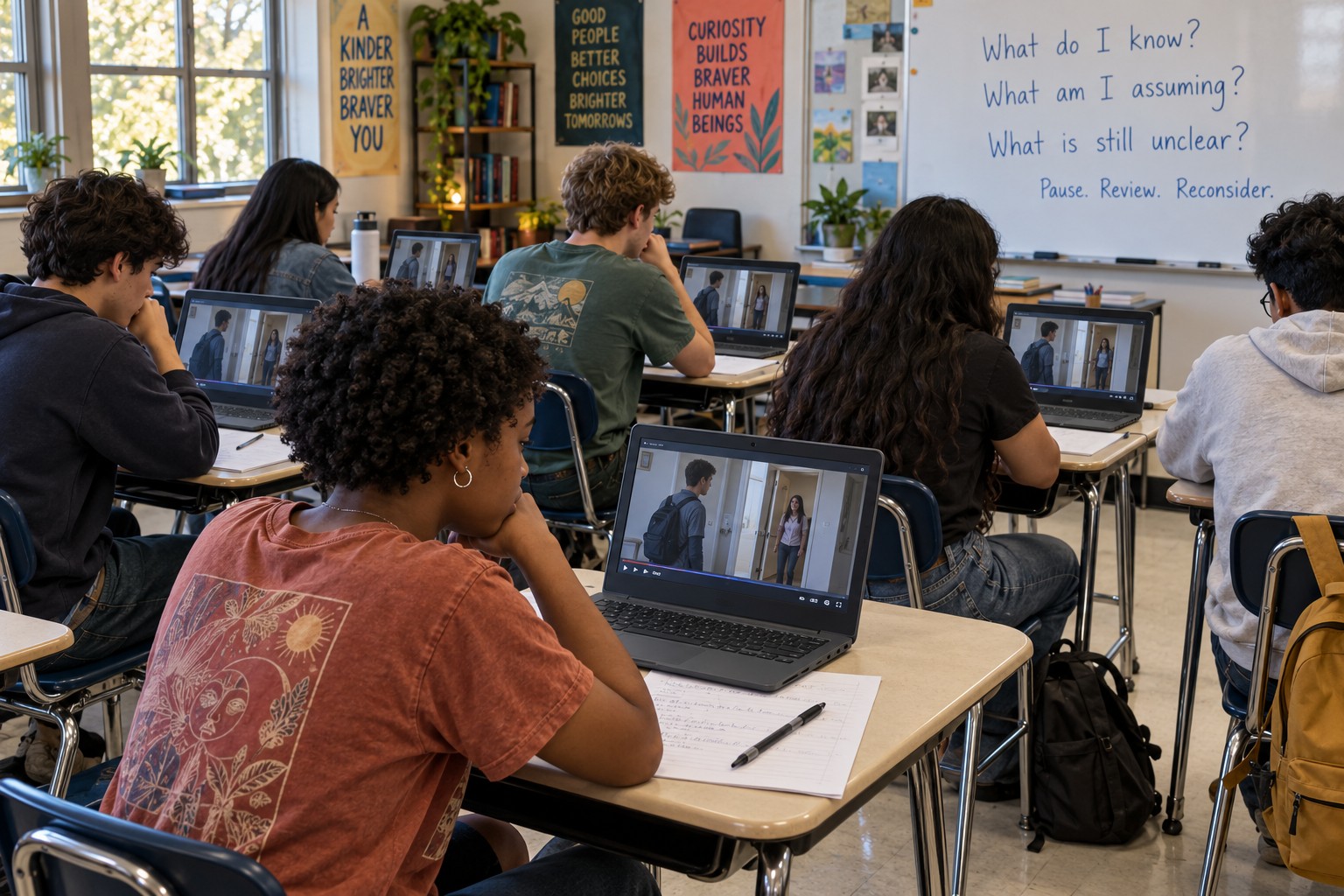
Watch a video and complete a private questionnaire. Revisit your answers after further information is introduced.

SESSION 04

Make the Pause Your Own

Try a fresh scenario and build a reference for what you know, what you think you know and what remains unknown.

What You’ll Take With You

Practice making responses more deliberate without being told what the correct response should be. Activities do not require group projects or presentations.

More Details: Awareness in Action

A Closer Look at the Workshop

This module brings the skills together through individual activities that give you time to try, review and reconsider. The situations are fictional, so you do not need to share personal experiences or perform in front of a group.

In one session, a voice message provides a starting point for a private response. Further context gives you a chance to revisit what you knew, what you assumed and whether you want to respond differently. Another session uses a video and a private questionnaire to explore how additional information can change your understanding.

Other activities help you recognize a first interpretation and make the pause your own. Throughout, you practice using body signals, attention and metacognition to make your response more deliberate. There is no prescribed correct response, and activities work for private participants as well as student groups.

MODULE 05

Build Confidence From Within

Understand Your Capabilities. Develop Trust in Yourself.

Build Confidence From Within: a visual illustration of the workshop’s everyday applications

Recognize the skills you have developed and explore how they can support confidence in your daily life. Confidence does not mean never feeling nervous. It can mean knowing you have ways to stay connected with yourself when something matters.

Available only after completing Student Modules 1–4.

Explore the sessions & what you’ll take away: Build Confidence From Within

SESSION 01

Give Yourself Credit

Return to an earlier exercise and privately recognize changes in your own awareness and capabilities.

SESSION 02

The Audience in Your Head

Explore how imagined approval or judgment can influence your experience of the same simple creative activity.

SESSION 03

Choose Your Challenge

Try a meaningful activity suited to you. A presentation is one option for students who want it, never a requirement.

SESSION 04

When Confidence Gets Shaken

Explore fictional feedback or setbacks and consider what they do, and do not, establish about your capabilities.

What You’ll Take With You

Confidence grounded in your connection with your own body, attention, thoughts and actions. Reflection is private unless you choose to share.

More Details: Build Confidence From Within

A Closer Look at the Workshop

By this point, you have practiced ways to notice your body, direct attention and examine your thinking. This final module helps you recognize those capabilities and explore why they give you reasons to trust yourself.

The sessions approach confidence in different ways. You revisit an earlier activity to recognize your own development, explore how imagined judgment can influence the same creative task and choose a challenge that is meaningful to you. Asking a question, explaining an interest or trying something unfamiliar can all be relevant. A presentation is available for students who want that experience; it is never required.

You also explore how to stay connected with your capabilities when feedback or a setback shakes your confidence. The aim is to develop confidence grounded in your relationship with your own mind and actions, while still allowing room for nerves and continued learning. Modules 1–4 must be completed first, and you choose what you want to share.

Bring the Training Into Your Life.

Choose a module that speaks to your goals or build a complete pathway for your team, community or yourself. We’ll help you shape the experience around your participants and the skills you want to develop.

Start with a conversation. Build skills for life.

Schedule a Free Consultation